The Modern Solution for Beautiful, Low-Maintenance Home Boundaries
- by Bryan Ceguerra
- September 15, 2026
When homeowners begin exploring fencing options, they are often torn between the classic warmth of wood and the durability of vinyl or metal. What if a solution combined the best qualities of all these materials into one superior product? That is exactly what composite fences deliver — and they are quickly becoming one of the most popular fencing choices for homeowners across the country, especially in demanding climates like South Florida.
Whether you are building a new fence from scratch or replacing an aging structure that has seen better days, understanding the full range of benefits composite fencing offers will help you make a confident, well-informed decision for your property.
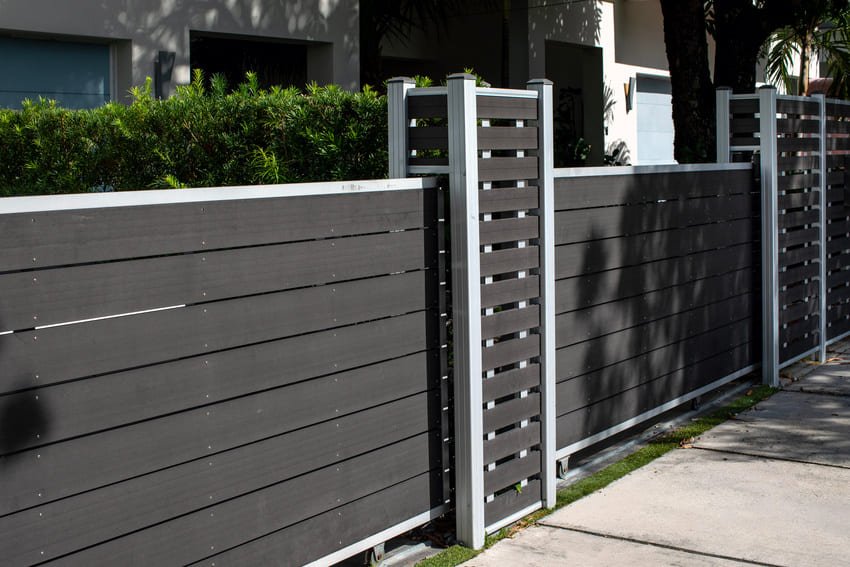
What Are Composite Fences?
Composite fences are made from a blend of wood fibers and recycled plastic materials, engineered and compressed into boards, panels, and posts that mimic the natural appearance of wood while delivering far superior performance. The result is a fencing material that looks authentically warm and organic but behaves more like a high-performance synthetic product.
Unlike pure wood, composite fencing does not absorb moisture, warp, crack, or rot. Unlike pure vinyl, it has a richer, more natural aesthetic that many homeowners find more visually appealing. It sits comfortably in the sweet spot between authenticity and practicality — a balance that is increasingly difficult to achieve with traditional materials alone.
Why Composite Fences Are Gaining Popularity?
The surge in composite fencing popularity is no accident. As homeowners become more informed about the true long-term costs of fencing — including maintenance, repairs, and eventual replacement — composite fencing’s value proposition becomes hard to ignore.
Here is a closer look at the key reasons why composite fences are earning a top spot on homeowners’ wish lists:
1. Strikingly Natural Appearance
One of the biggest selling points of composite fencing is its visual appeal. Modern composite fence boards are manufactured with realistic wood-grain textures and rich natural tones—warm browns, cool grays, deep charcoals—that closely replicate the look of natural timber without its drawbacks.
For homeowners who love the aesthetic of a wood fence but dread the maintenance cycle that comes with it, composite fencing is the obvious solution. It provides the warmth and character of real wood while holding its color and texture year after year without fading, peeling, or splintering.
2. Exceptional Resistance to Moisture and Rot
Traditional wood fences are highly susceptible to moisture damage. In humid, rainy environments — particularly in subtropical climates — wood absorbs water, swells, contracts, and eventually begins to rot. Even pressure-treated wood has a limited lifespan in persistently wet conditions.
Composite fences, by contrast, are engineered to repel moisture. The plastic component in the composite blend creates a barrier that prevents water absorption, so composite boards will not warp, swell, crack, or rot regardless of rainfall, humidity, or standing water. This makes composite fencing an exceptionally smart choice for homeowners in South Florida and other high-humidity regions.
3. Minimal Maintenance Requirements
Ask any wood fence owner what they dislike most about their fence, and the answer is almost always the same: maintenance. Sanding, staining, painting, sealing, and replacing rotted boards are time-consuming and costly tasks that recur every few years.
Composite fences require virtually none of this ongoing upkeep. A periodic wash with soap and water is usually all it takes to keep a composite fence looking clean and fresh. No staining, no sealing, no painting—and no surprise repair bills when a board suddenly splits or rots through.
Over 10 to 20 years, maintenance savings on a composite fence can easily exceed the initial cost premium over a traditional wood fence, making composite the more economical choice in the long run.
4. Eco-Friendly and Sustainable
For environmentally conscious homeowners, composite fencing offers a significant advantage—it is made in part from recycled materials. The plastic component in composite boards typically comes from post-consumer recycled plastics, diverting waste from landfills and reducing demand for virgin materials.
At the same time, composite fencing reduces the need to harvest old-growth timber, contributing to forest conservation. If sustainability is a priority in your home improvement decisions, composite fencing is a meaningful, practical way to align your property improvements with your environmental values.
5. Long-Lasting Color and UV Resistance
South Florida’s intense sun is relentless. UV exposure quickly fades and degrades many outdoor materials, leaving fences looking worn, washed out, and neglected within a few years of installation. High-quality composite fences are manufactured with UV-stabilized pigments and protective coatings that resist color fading far better than natural wood or standard vinyl. The rich tones that make composite fencing so visually appealing on installation day remain vibrant and consistent for many years, even under constant sun exposure.
6. Structural Strength and Durability
Composite fencing is not just good-looking — it is structurally strong. The engineered blend of wood fibers and plastic creates a product that is highly resistant to impact, warping, and structural failure. Composite boards do not develop the soft spots, cracks, or splinters that plague aging wood fences, and they hold fasteners firmly without the loosening that occurs as wood shrinks and expands with moisture changes.
For families with children and pets, composite fencing also offers a significant safety advantage — no splinters. The smooth, finished surface of composite boards eliminates one of the most common hazards associated with wooden fencing.
The Perfect Climate Match
South Florida presents one of the most challenging environments for outdoor fencing in the United States. The combination of high humidity, heavy seasonal rainfall, salt air in coastal areas, intense UV radiation, and occasional hurricane-force winds puts enormous stress on fencing materials that are not specifically suited to these conditions.
Composite fencing is exceptionally well-suited to the South Florida climate for several reasons:
- Moisture resistance prevents the warping and rot that plague wood fences in humid, rainy conditions.
- UV-stabilized finishes combat the color fading caused by Florida’s intense sun exposure.
- Structural integrity holds up better than aging wood panels in wind and storm conditions.
- Salt-air resistance makes composite an excellent choice for coastal properties where metal fencing may rust, and wood deteriorates rapidly.
For South Florida homeowners who want a fence that performs in the local climate, exploring composite fence options is an important first step toward a solution that delivers lasting beauty and performance.
Popular Composite Fence Styles
One of the great advantages of composite fencing is its design versatility. Homeowners can choose from a wide range of styles to complement their property’s architecture and personal taste:
- Horizontal Composite Panels — A modern, contemporary look with boards running horizontally. Ideal for homes with clean lines and minimalist aesthetics.
- Vertical Board Composite Fencing — The classic fence profile, updated with composite materials. Suits traditional and transitional home styles beautifully.
- Privacy Composite Fencing — Full-height panels with tight board spacing for maximum privacy. Perfect for backyards, pool areas, and properties adjacent to busy streets.
- Semi-Privacy Composite Fencing — Slightly spaced boards that allow airflow and filtered light while still providing meaningful privacy and boundary definition.
- Composite Lattice-Top Fencing — A decorative style combining solid lower panels with an open lattice top section. Adds visual interest and a classic architectural detail.
How to Choose the Right Composite Fence?
Selecting the ideal composite fence for your property involves balancing several considerations:
- Purpose: Are you primarily seeking privacy, security, decorative appeal, or a combination of all three? Your primary goal will guide your style and height selection.
- Height: Standard composite fences range from 4 to 8 feet. Privacy fences are typically 6 feet or taller, while decorative boundary fences may be 3 to 4 feet.
- Color and Texture: Choose a color and grain pattern that complements your home’s exterior. Warm wood tones work well with traditional architecture, while cool grays and charcoals suit modern and contemporary styles.
- Quality Grade: Not all composite fencing is created equal. Look for products with a high recycled content, UV-stabilized pigments, and moisture-resistant capping on all four sides of each board for maximum durability.
Local Codes and HOA Requirements: South Florida municipalities and homeowners’ associations often have specific fencing regulations regarding height, style, and placement. Always confirm local requirements before finalizing your fence design.
The Value of Professional Installation
Even the finest composite fencing materials will only perform as well as the installation behind them. Proper post depth, correct spacing, and precise alignment are all critical to the fence’s long-term stability and appearance.
In South Florida, where soil conditions, high water tables, and wind load requirements add complexity to fence installations, working with experienced local fencing professionals matters. A knowledgeable contractor will ensure your composite fence meets local building codes, withstands the regional climate, and looks beautiful for decades to come.
Transform Your Property with Composite Fencing
Composite fences represent the next generation of residential fencing — a thoughtful evolution beyond the limitations of traditional wood, vinyl, and metal options. With their natural beauty, exceptional durability, minimal maintenance needs, and strong performance in challenging climates, composite fences are an investment that pays dividends in curb appeal, comfort, and long-term value.
For South Florida homeowners in particular, the combination of moisture resistance, UV stability, and structural strength makes composite fencing one of the most practical and visually rewarding choices available. If you are ready to explore how composite fencing can transform your property, learn more about composite fences and take the first step toward a fence that looks stunning and performs flawlessly for years to come.