Maintaining an Ornamental Fence on a Commercial Property
- by Bryan Ceguerra
- October 15, 2026
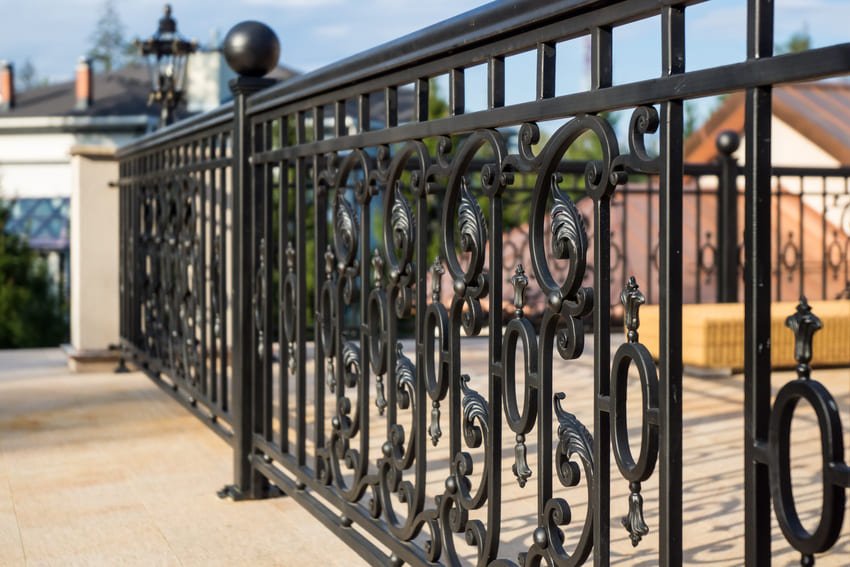
An ornamental fence does more than mark a property line. It frames your building, protects your parking area, and tells customers and tenants that your business is well run. But like any part of a commercial property, it needs regular attention. A fence that looks tired or rusted can undo the good impression everything else creates. The good news is that upkeep is simple once you know what to check and how often to do it.
Start With a Simple Inspection Routine
Walk the fence line once a month. Look for loose fasteners, wobbly posts, bent pickets, and areas where the finish has worn thin. Pay extra attention to gates, since they take the most daily use. A gate that drags or will not latch properly usually means a hinge or post has shifted.
Do a deeper check twice a year, ideally before and after the rainy season. South Florida weather is hard on metal. Salt air, humidity, and heavy storms all speed up wear, so fences near the coast or near sprinkler heads need closer watching.
Keep It Clean
Dirt, pollen, and irrigation spray build up on ornamental fencing faster than most property managers expect. Rinse the fence with a garden hose every few weeks and use a mild soap solution for stubborn spots. Avoid abrasive pads and harsh chemicals, since they can scratch the coating and invite rust. If your fence sits near landscaping, keep sprinklers from spraying directly onto the metal. Constant water on a fence is one of the most common causes of early finish failure.
Touch Up Small Problems Early
A small scratch is easy to fix. A rusted section is not. Keep a matching touch-up paint on hand and treat any chip or scuff as soon as you notice it. Clean the area, let it dry fully, then apply a thin coat. This one habit can add years to the fence’s life. Check the base of each post too. Soil settles, mulch piles up, and water can pool around the footing. Clear debris away so the post can drain and dry.
Watch the Gates and Hardware
Gates carry the most stress. Lubricate hinges a few times a year, tighten bolts, and check that the latch closes smoothly. If a gate starts to sag, fix it quickly. A sagging gate strains the post, and a leaning post is a much bigger repair. For properties with vehicle access, check the operator and any safety sensors as part of the same routine. A gate that closes on a car or a person is a liability, not just an inconvenience.
Know When to Call a Professional
Some tasks are routine. Others need a trained eye. If you see deep rust, cracked welds, posts pulling out of the ground, or a fence that no longer lines up straight, it is time to bring in help. The same applies if a storm damaged your fence or a vehicle hit it.
Professional crews can also tell you whether a repair is worth doing or whether the fence has reached the end of its useful life. That matters on a commercial property, where downtime and security gaps cost money.
Plan Ahead for Replacement
Even a well-maintained fence will not last forever. If you are weighing repairs against a full replacement, get an honest assessment of the fence’s remaining life, the cost of ongoing repairs, and how a new fence would improve security and appearance. Many property owners find that a planned replacement costs less over time than repeated fixes.
If you are comparing options or starting fresh, look at commercial ornamental fence installation from a local team that knows South Florida conditions. A fence built for the climate and installed correctly needs far less maintenance down the road.