Pool Fence Requirements Every South Florida Homeowner Should Know
- by Bryan Ceguerra
- August 17, 2026
A backyard pool brings comfort, beauty, and an elevated outdoor lifestyle to a South Florida home. It also comes with an important responsibility: creating a safe barrier that helps prevent unsupervised access.
Understanding pool fence requirements before starting a project can help homeowners avoid delays, unnecessary expenses, and design problems. At All Fencing & Repair, we help property owners choose pool fencing that supports safety, complements the home, and performs well in South Florida conditions.
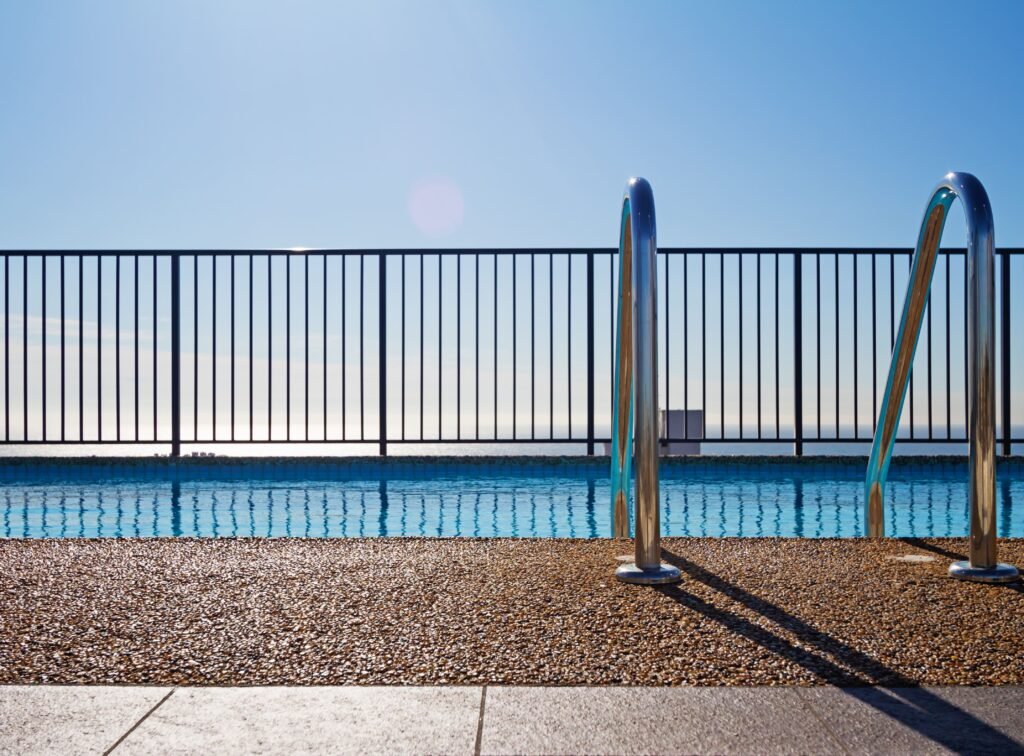
Why Every Pool Needs a Safe Barrier?
A pool fence separates the water from the rest of the property. This extra layer of protection can help prevent children, pets, and guests from entering the pool area without supervision. It is especially valuable in homes where the yard connects directly to living spaces, walkways, or neighboring properties.
A pool fence should not replace active supervision, alarms, secure doors, or other safety measures. Instead, it works with these precautions to create a more secure environment. A well-planned barrier also gives homeowners greater confidence when enjoying their outdoor space.
Pool Fence Height and Opening Requirements
Many pool safety standards require a barrier to be at least four feet high. However, the exact requirement may depend on the pool design, property layout, and local building rules. Homeowners should confirm the applicable requirements before selecting a fence style or beginning installation.
The barrier should also be difficult to climb. Decorative elements, horizontal rails, nearby furniture, planters, and other objects may create footholds. Carefully measure openings between fence sections and the space beneath the fence to help prevent small children from passing through or underneath.
A professional fence company in South Florida can assess the entire pool area, not just the fence panels. This review helps identify slopes, walls, landscaping, equipment, and other details that may affect the final design.
Pool Gate Features That Support Safety
The gate is one of the most important parts of a pool fence system. A suitable pool gate should close automatically and latch securely after each use. It should also be positioned and designed to make it difficult for young children to reach or operate the latch. A gate that stays open, drags across the ground, or fails to latch can weaken the entire barrier’s protection. Inspect hinges, latches, posts, and fasteners regularly, especially after severe weather or extended exposure to moisture.
Selecting the Right Pool Fence Material
South Florida homeowners can choose from several pool fencing materials, including aluminum, steel, glass, and removable mesh. Each option offers different benefits in terms of appearance, maintenance, privacy, durability, and cost. Aluminum is a popular choice for its clean appearance and resistance to many common outdoor issues.
Glass can provide a modern, open view of the pool, while mesh fencing may offer flexibility for certain properties. Steel can create a strong, elegant look with the right protective finish. The best material depends on the home’s architecture, pool location, landscape design, wind exposure, and maintenance expectations. Quality materials and precise installation help create a fence that looks refined while supporting long-term performance.
South Florida Weather and Fence Maintenance
Pool fencing in South Florida must withstand heat, humidity, heavy rain, strong sun, and occasional storms. Coastal properties may also experience salt air, which can affect certain metals and hardware over time. Choosing a material with suitable protection is an important part of the planning process. Homeowners should regularly check for loose posts, damaged panels, corrosion, worn hardware, shifting ground, and changes in the space beneath the fence.
Keeping plants, chairs, toys, and pool equipment away from the barrier can also help preserve its safety function. Routine care does not need to be complicated. A simple inspection after major storms and periodic professional maintenance can help identify concerns early. Prompt repairs can protect the fence’s appearance and performance while avoiding more extensive work later.
Planning Installation with a Trusted Local Team
Pool fence installation involves more than choosing a color and scheduling a crew. The design must account for property access, pool equipment, gates, terrain, landscaping, nearby structures, and the home’s overall appearance. A careful site assessment helps deliver a more secure, polished result.
Local requirements may differ between South Florida municipalities. Permit and inspection needs can also vary by project. Homeowners should work with an experienced team that can explain the installation process clearly and identify questions that may need to be addressed before construction begins.
At All Fencing & Repair, we aim to make the process straightforward and customer-focused. We help homeowners understand their options, select appropriate materials, and invest in a pool fence that fits both their safety needs and design goals.
Schedule Your Pool Fence Estimate
A pool fence is an important investment in your home’s safety, comfort, and appearance. By understanding height, opening, gate, material, maintenance, and installation considerations, South Florida homeowners can make informed decisions with greater confidence.
When you are ready to improve your pool area, choose a trusted fence company in South Florida that values careful workmanship, clear communication, and lasting results. All Fencing & Repair is ready to help you create a beautiful barrier designed for your property and lifestyle.